
Staple foods are inexpensive plant based foods that provide the base for a healthy meal. Cereal grains such as wheat or rice and root vegetables such as potatoes or yams are the most common staple foods. How we grow or have access to staple foods reflects global food markets and political alliances. As the central component of a meal the ingredients have been fought over, honoured and celebrated throughout history.
Rice pudding, Kheer, Pulao, Tahri or Risotto
First cultivated in India or Southeast Asia rice has been grown as a food for thousands of years. Cooked sweet or savoury rice is eaten by more than 3.5 billion people every day.
Roast dinners, fish and chips, pie and mash
The potato is a central ingredient in traditional British meals. The potato also takes a central role in South Asian and Eastern European dishes from varenyky dumplings and potato pancakes to aloo paratha and pakora.
Crushed, ground, milled and baked
Wheat was first cultivated in the Middle East in the area known as the Fertile Crescent near modern day Iraq. The growing of wheat was central to the development of agriculture and helped humans move from hunter gather societies to settled farming communities. Wheat grains are made into flour, which is commonly used in bread, pasta, pastries, crackers, dumplings, breakfast cereals and noodles.
The Empire Clock was a resource designed for use in schools that showed pupils where Britain sourced its variety of goods and produce. The abundance of different types of food and natural resources was only possible through a colonial regime that entailed the exploitation and enslavement of indigenous cultures.
Black pea man

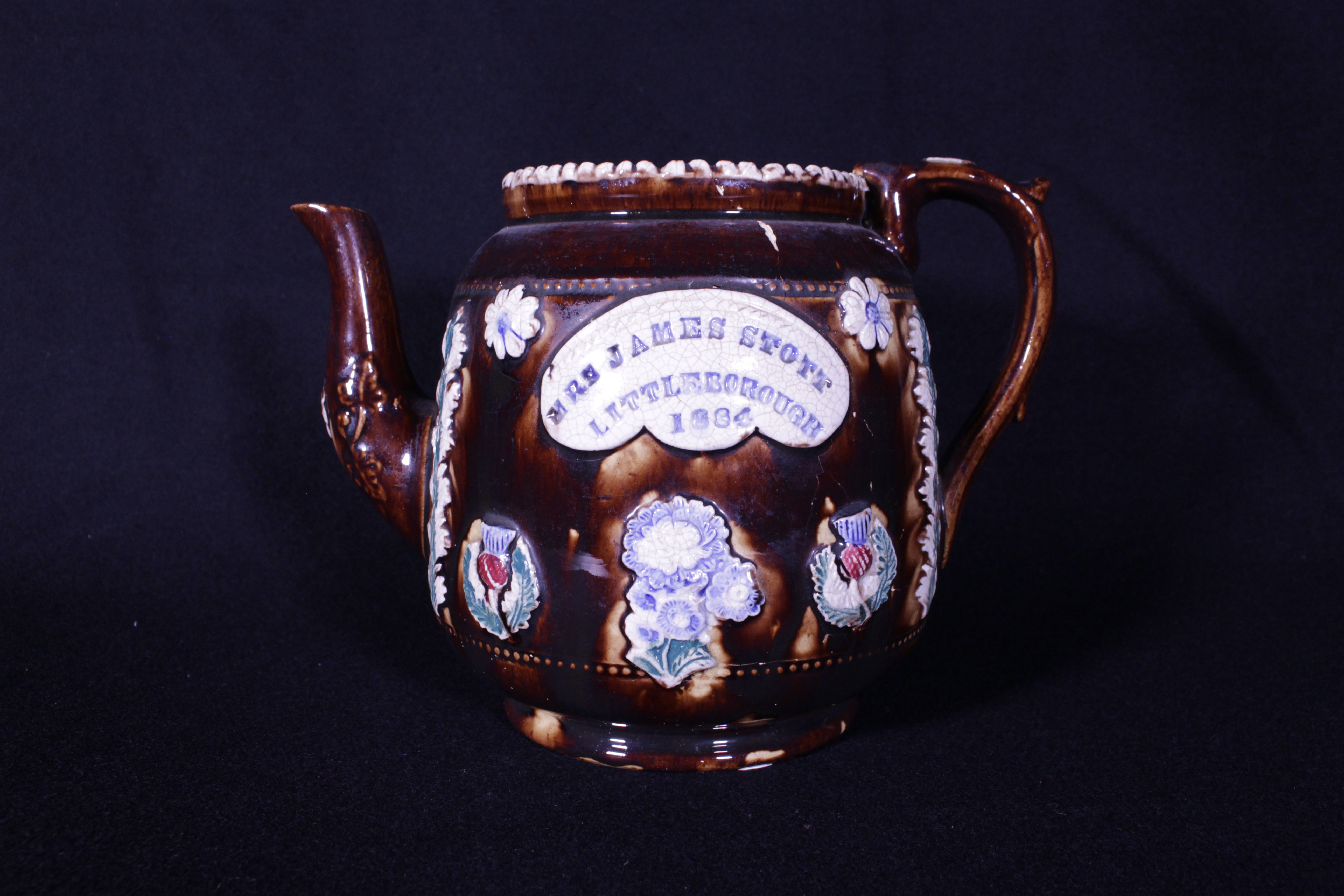
Bargeware from our collection
Ukrainian Pysanka egg
Go to slide:
- 1
- 2
- 3